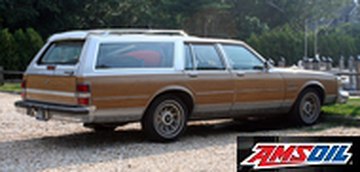
Lubrication Maintenance for the 1983 Buick ELECTRA 5.0L
Maintaining a vehicle of this era requires a focused approach to fluid integrity and mechanical oversight. For the 1983 Buick ELECTRA equipped with the 5.0L engine, consistent lubrication management is a primary factor in ensuring the longevity of the powertrain. Because older engines often operate under different thermal and mechanical stresses than modern counterparts, owners should prioritize regular inspections and high-quality lubricant selection.
Monitoring Fluid Integrity and Potential Leaks
One of the most effective ways to monitor the health of a 5.0L engine is through frequent visual inspections for fluid loss. Over time, various seals and gaskets may experience changes in elasticity due to heat cycles and age. It is beneficial to periodically inspect the area around the engine block and the underside of the vehicle for any signs of seepage or active dripping.
When performing a routine inspection, look for:
- Dampness or oily residue on the exterior of the engine components.
- Accumulated grime or dirt that appears "wet," which often indicates a slow leak.
- Puddles forming beneath the vehicle after it has been parked for an extended period.
- Changes in the level of fluids as measured by the dipstick.
If any evidence of leakage is found, it warrants further investigation to determine if the source is a specific gasket or a loose component. Addressing minor seepage early can prevent more significant issues that might arise from sudden fluid loss.
Observing Changes in Engine Performance and Appearance
Beyond visible leaks, an owner should remain attentive to how the vehicle behaves during operation. While symptoms can have many different causes, certain changes may be associated with the lubrication system or general engine health. For example, a change in the way the engine sounds during startup or while idling can sometimes indicate that the lubricant is not reaching critical areas effectively.
It is also useful to monitor any unusual odors that may arise during driving. A burning smell can sometimes be linked to oil contacting hot external surfaces, which might suggest a leak from an upper engine component. Additionally, if you notice changes in exhaust characteristics, such as smoke that appears differently than usual, this should be investigated promptly. Because these symptoms are not definitive diagnoses of a single failed part, they serve as indicators that a professional inspection is necessary to identify the root cause.
Prioritizing Long-Term Engine Care
For an owner of a 1983 Buick ELECTRA, establishing a maintenance baseline is a practical way to manage the vehicle's aging process. If you do not have access to a complete service history from previous owners, your first priority should be to document the current condition of all vital fluids and mechanical components. This creates a reference point that allows you to notice even subtle changes in the future.
Effective long-term maintenance involves distinguishing between necessary preventive tasks and unnecessary parts replacement. Rather than following a rigid schedule based solely on the age of the vehicle, focus on the actual condition of the components. For instance, if an inspection shows that all belts and hoses are in excellent condition, there is no immediate need to replace them. However, if you observe cracking or fraying on accessible drive belts (if equipped), or if hoses appear brittle, these should be addressed before they fail.
Keeping a detailed log of every oil change, filter replacement, and observed repair is one of the most valuable tools for long-term ownership. This documentation helps in identifying patterns—such as whether the engine is consuming more lubricant than it used to—which can guide future maintenance decisions and help maintain the vehicle's operational readiness.
Managing Aging Components and Systems
As vehicles age, certain materials naturally undergo changes. When inspecting a 1983 Buick ELECTRA, it is wise to look at components that are sensitive to time and temperature. This includes checking electrical connections for corrosion or looseness and ensuring that the air filtration system is clean and free of debris. A clean air intake helps ensure the engine can breathe efficiently, which supports overall performance.
If the vehicle is equipped with various cooling-system components, inspecting them for signs of wear or leakage is also a prudent step. Maintaining the integrity of the cooling system works in tandem with proper lubrication to manage the thermal environment of the 5.0L engine. Furthermore, if you notice any evidence of previous maintenance neglect—such as heavily contaminated oil or extremely dirty filters—it may be necessary to perform more frequent inspections until the vehicle's baseline condition is stabilized.
Selecting Lubricants for Older Engines
When it comes to choosing a lubricant, there are several formulations available that cater to different engine needs. While many owners use conventional oils, synthetic and synthetic-blend options are also widely used in various applications. Some high-mileage oil formulations contain additives intended for use in aging engines, including seal-conditioning additives that may help maintain the integrity of older gaskets.
The choice between these types often depends on the specific operating requirements and the current condition of the engine. For example, an engine that has been meticulously maintained with high-quality lubricants may not require different formulations than one that has seen more varied service history. Regardless of the type chosen, ensuring the lubricant meets the appropriate API certification is a fundamental step in protecting the internal components from oxidation and deposit buildup.
Buying Engine Oil for your 1983 Buick ELECTRA 5.0L
To ensure the best possible protection for your engine, you must match the oil to the application-specific information provided on this page. Do not rely on general knowledge or assumptions based on the vehicle's age to select a viscosity grade. Instead, refer directly to the vehicle-specific oil viscosity and requirements listed in the technical data above.
When you are ready to purchase your lubricant, follow these practical steps:
- Verify that the product label matches the specific viscosity information shown on this webpage.
- Check for the appropriate API service symbols to ensure the oil meets modern quality standards.
- Consider whether a high-mileage formulation is suitable based on your engine's current condition and any observed seepage.
- Always confirm that the container you are purchasing is intended for the specific application of your 5.0L engine.
By strictly adhering to the application-specific details provided in the database, you can ensure that your lubrication choices support the continued operation of your Buick ELECTRA.